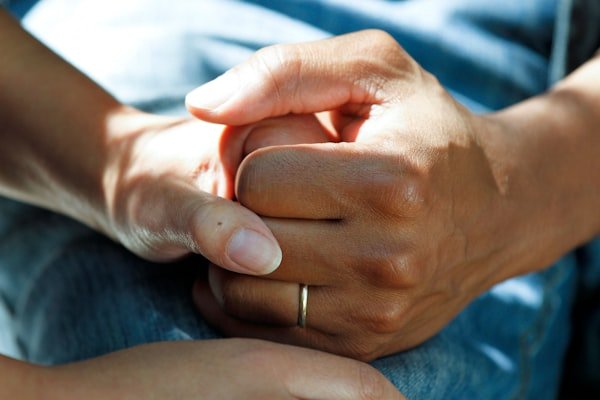
When managing a recovering patient or aging relative at home, medical outcomes rely heavily on structure, environmental safety, and strict medication governance. In-home recovery provides emotional comfort, but clinical diligence must remain paramount.
1. Eliminating In-Home Hazard Zones
Over 60% of geriatric emergency room visits stem from preventable slips in the bathroom or unlit corridors. Replace loose carpets with non-slip rubberized mats, install stainless steel grab rails at toilet and shower points, and ensure nightlights maintain visibility throughout the patient's walking paths.
2. Medication Administration & Reconciliation
Polypharmacy (taking multiple drugs simultaneously) is common among senior patients. Maintain a physical drug chart logging dosage timing, food requirements (before or after meals), and known side effects. Our certified home nurses maintain digital logs to ensure zero missed or duplicated dosages.
"The clinical environment of a hospital can be replicated safely at home if safety protocols, hygiene, and doctor oversight are maintained without compromise."
— Dr. A. Sharma, Chief Medical Advisor at CareStaff
3. Continuous Vitals Monitoring
Subtle changes in blood pressure, blood glucose, oxygen saturation (SpO2), or temperature are the first indicators of post-operative infection or cardiac decompensation. Regular charting allows consulting physicians to adjust medications proactively before an emergency hospital readmission occurs.
When to Transition to Professional In-Home Nursing
Family caregivers frequently encounter physical and mental burnout. When a patient requires sterile wound dressings, urinary catheter maintenance, tracheostomy suctioning, or 24/7 supervision, relying on verified GNM/B.Sc nurses guarantees both patient safety and peace of mind for loved ones.